ePrivacy and GPDR Cookie Consent by Cookie Consent

NextDayCamera


NextDayCamera, for the greatest range of BRAND NEW photographic and electronic equipment at great LOW PRICES all supplied with UK warranty and UK FREE delivery

Beginner's Guide to Photography

Photography is both an art and a science. Whether you're capturing stunning landscapes or recording life through vlogs, this guide will help you build a solid foundation.

1. Understanding the Basics


1.1 The Exposure Triangle
- Aperture: Controls depth of field and light.
- Shutter Speed: Affects motion blur or freeze.
- ISO: Determines sensitivity to light.

1.2 Composition Principles
- Rule of thirds
- Leading lines
- Framing
- Symmetry and patterns

1.3 Essential Gear
- Camera body (DSLR, mirrorless, or compact)
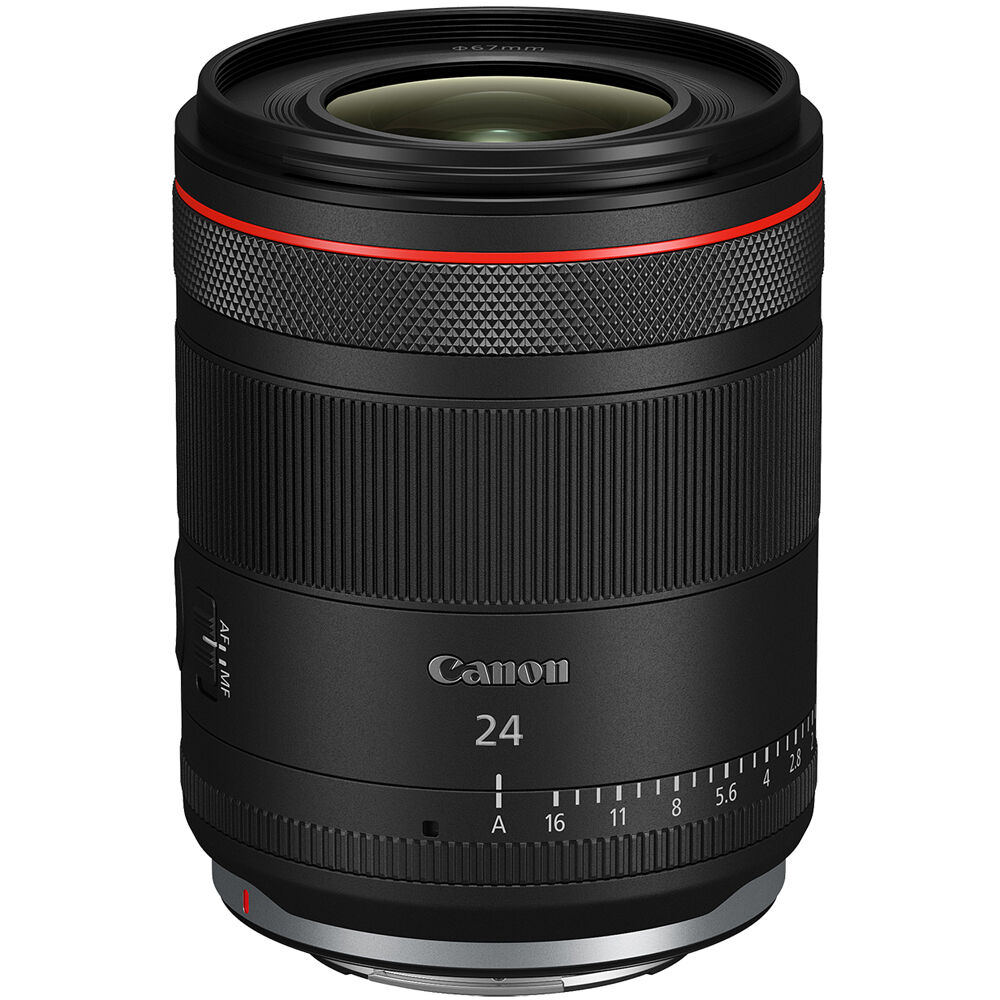
- Lenses (wide-angle, telephoto, prime)
- Tripod
- SD cards and storage

2. Landscape Photography

2.1 Key Gear - Wide-angle lens
- Tripod
- Polarizing filter

2.2 Techniques
- Shoot during golden hour
- Use a small aperture (e.g., f/11 to f/16) for sharpness
- Focus 1/3 into the scene for maximum depth of field

2.3 Tips
- Scout locations in advance
- Watch weather conditions
- Shoot in RAW for better editing flexibility

3. Wildlife Photography

3.1 Key Gear
- Telephoto lens (e.g., 300mm or more)
- Fast shutter speed
- Silent shutter (if available)

3.2 Techniques
- Be patient and quiet
- Use burst mode to capture action
- Track animals' routines for better timing

3.3 Tips
- Learn animal behavior
- Use camouflage or blinds
- Respect nature and ethical guidelines

4. Sports Photography

4.1 Key Gear
- Fast telephoto lens (e.g., 70-200mm f/2.8)
- High-speed camera with fast autofocus

4.2 Techniques
- Use fast shutter speeds (e.g., 1/1000 sec or faster)
- Track subjects with continuous autofocus (AI Servo/AF-C)
- Anticipate the action

4.3 Tips
- Know the sport rules
- Position yourself at key action points
- Use burst mode

5. Filmmaking

5.1 Key Gear
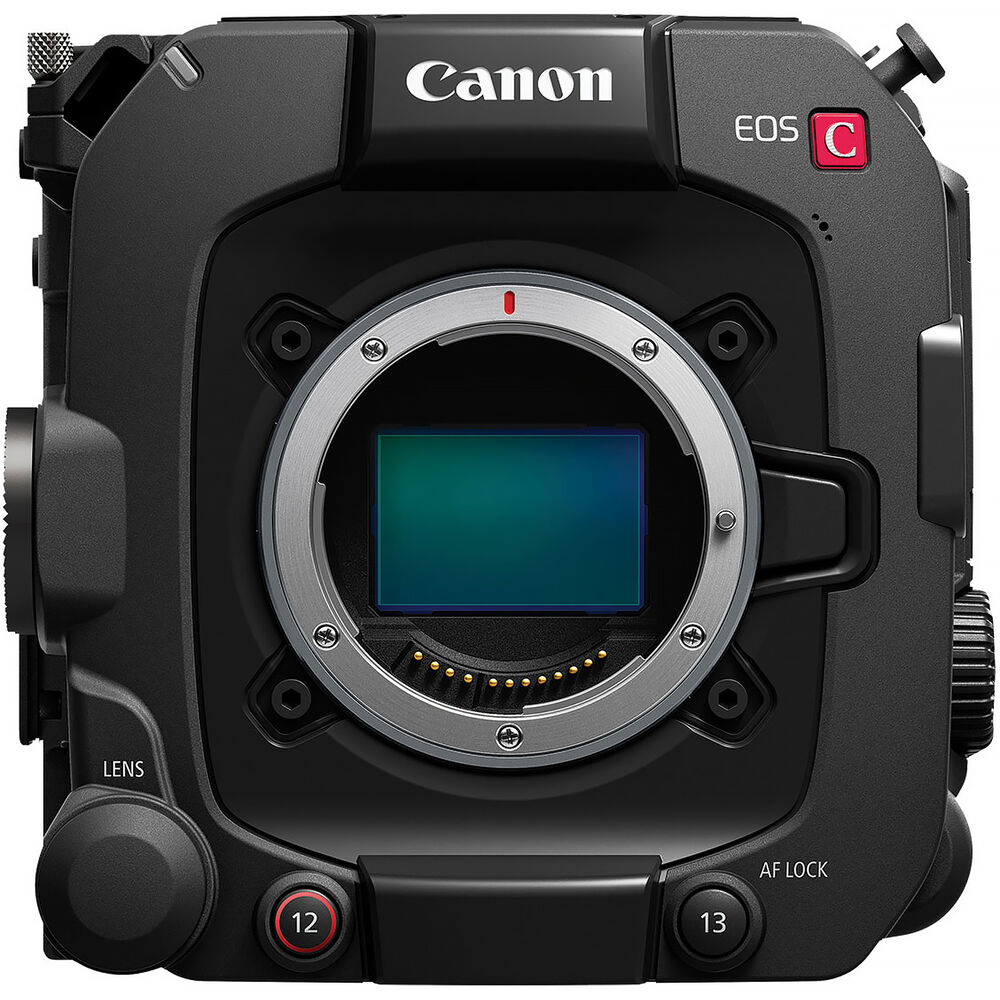
- Mirrorless/DSLR or cinema camera
- Stabilizer or gimbal
- Microphone and audio recorder

5.2 Techniques
- Use manual settings for full control
- Compose cinematic shots (rule of thirds, depth)
- Edit using software like Adobe Premiere Pro or DaVinci Resolve

5.3 Tips
- Plan your shots with storyboards
- Record clean audio
- Practice smooth camera movements

6. Macro Photography

6.1 Key Gear
- Macro lens (1:1 magnification)
- Tripod and remote shutter
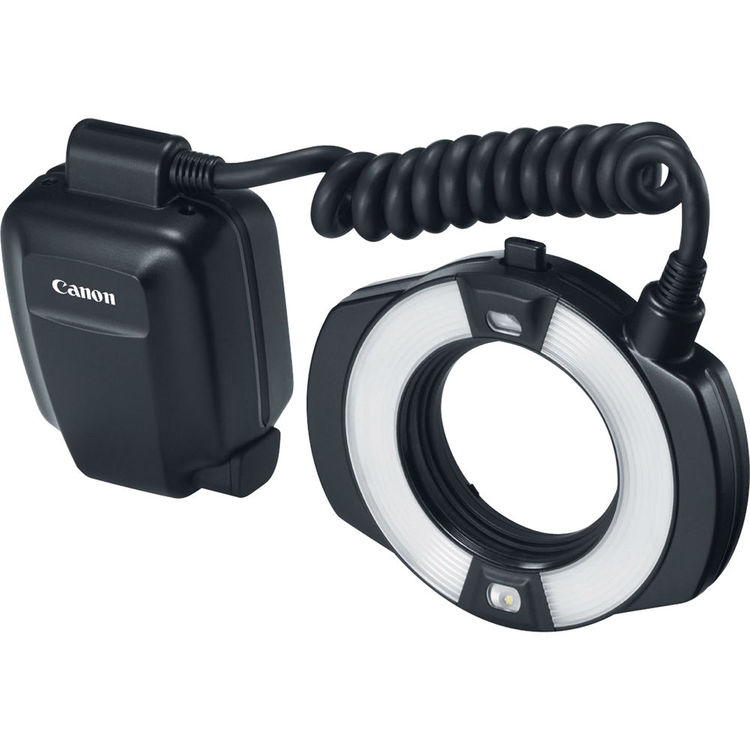
- Ring light or diffused flash

6.2 Techniques
- Use manual focus for precision
- Small apertures (f/8 to f/16) for better depth
- Stabilize your setup to avoid blur

6.3 Tips
- Focus on the eyes for insects
- Use a background that complements your subject
- Explore flowers, textures, and small objects

7. Vlogging

7.1 Key Gear
- Compact or mirrorless camera with flip screen
- External microphone
- Mini tripod or grip

7.2 Techniques
- Talk clearly and directly to the camera
- Use jump cuts and overlays for engagement
- Shoot in good lighting (natural or ring light)

7.3 Tips
- Be authentic and consistent
- Plan your content
- Engage with your audience in comments

Final Thoughts

Photography is a journey. Start with the basics, explore different styles, and most importantly keep shooting. The more you practice, the better your eye will become.